


2026.01.28
■ はじめに
Introduction
Introduction
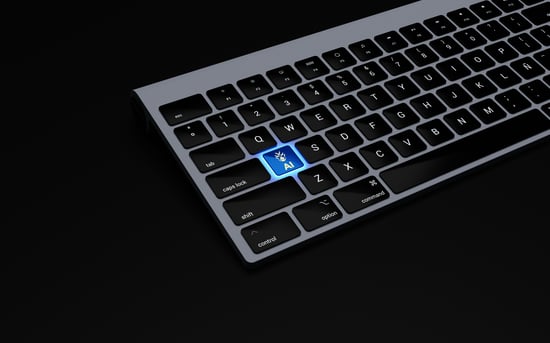
医療現場でAIをどのように活用すべきかについては、長年議論が交わされてきました。 AIはしばしば、医師による正確な診断をサポートしたり、がん検診などの予防医療を向上させたり、あるいは将来的に外科医に代わって手術を担ったりするなど、診断や治療における活用の可能性という観点から語られることが多くあります。 しかし本稿では、AIのまた別の役割――つまり、医師と患者がお互いをより深く理解し合うために、AIがどのような助けになれるのかという点に注目したいと思います。
AI has been discussed in healthcare for many years. It is often described in terms of its potential to help doctors make more accurate diagnoses, improve preventive care such as cancer screening, or even perform surgeries that could one day replace human surgeons. However, in this article, I want to focus on a different role of AI: how it can help doctors and patients better understand one another.
■ 良好な関係を阻む現状の課題
Current Challenges to Good Relationships
Current Challenges to Good Relationships

医師と患者の関係は、医師が診察や診断、治療といった患者さんのニーズに応えるなかで生まれるものです。[i] 病院を訪れる患者さんは、多くの場合、困惑や不安を抱えており、「自分に何が起きたのか」「これからどのような行動を取れるのか」を心から知りたいと願っています。 同時に、重い病気に直面している場合、医師は治療の選択肢やリスク、予測される結果などについて説明に多大な時間を費やす必要がありますが、それでもなお決断を下せずに悩み続ける患者さんも少なくありません。
医師の数や設備、資金といった医療資源が豊富な国であれば、患者さんは医師にじっくりと相談し、自分の状態について丁寧な説明を受ける時間を確保できるかもしれません。対照的に、資源が限られている国では、患者さんが医師と過ごせる時間は極めて短く、医師が多数の患者に対応しなければならないため、急かされているように感じることさえあります。さらに、高齢化社会によって医療サービスへの需要が高まり、スタッフの負担はますます増えています。こうしたプレッシャーは、最終的に、信頼に基づいた良好な関係を損なう要因になりかねません。
The doctor–patient relationship occurs when doctors attend to patients’ needs, including checkups, diagnosis, and treatment[i] When patients visit doctors, they are often perplexed and anxious, eager to understand what has happened to them and what actions they can take. At the same time, when patients face serious illnesses, doctors frequently need to spend a considerable amount of time explaining treatment options, risks, and possible outcomes; however, some patients still struggle to make decisions.
In countries where medical resources are abundant, patients may have more time to consult with doctors and receive detailed explanations of their conditions. In contrast, in countries with limited medical resources, patients often have very little time with physicians and may even feel rushed as doctors must attend to large numbers of patients. In addition, an aging society has led to a growing demand for elderly care and healthcare services, further increasing the burden on medical staff. This pressure may eventually pose a potential threat to maintaining a positive and trusting doctor–patient relationship.
■ コミュニケーションは信頼の基盤
Communication as the Foundation of Trust
Communication as the Foundation of Trust
これまで多くの研究が、医師と患者の関係を改善する方法や、良好な関係を築くための要因について論じてきました。そこで重要な役割を果たすのは、お互いを尊重した効果的なコミュニケーションです。また、医師の共感力や、患者さんとの間に築かれる信頼も、健やかな関係を維持するために欠かせない要素です。
AIが日常生活のあらゆる場面を大きく変えている現代において、この技術の活用について語ることはもはや避けて通れません。AI技術はすでに病気の診断や創薬、外科手術などで重要な役割を担っていますが、医師と患者のやり取りにおいて直面するさまざまな課題を解決する上でも、大きな可能性を秘めています。[ii]
Many studies have discussed ways to improve the doctor–patient relationship and the factors that contribute to a positive one. Effective communication that is mutual and respectful between doctors and patients plays a crucial role. In addition, physicians’ empathy and the trust they build with patients are all essential for maintaining a healthy doctor–patient relationship.[ii]
In the current era, it is impossible to avoid discussing artificial intelligence (AI), as it has significantly transformed many aspects of daily life. While AI technologies have already played an important role in disease diagnosis, drug discovery, surgical intervention and so on, they also hold great potential to help address many of the challenges faced in doctor–patient interactions.

■ 待ち時間の短縮がもたらす心のゆとり
Creating Mental Ease by Reducing Wait Times
Creating Mental Ease by Reducing Wait Times
第一に、AIは患者さんの待ち時間を短縮できます。長い待ち時間は多くの国で患者さんが直面する問題点の一つであり、病院訪問に対する満足度に大きく影響します。待ち時間を削減することは、患者さんの不安を大幅に軽減し、より落ち着いて医師と対話することを可能にします。
例えば、南カリフォルニアの施設ではAI搭載の自動受付機が導入され、患者さんがスムーズに受付手続きを完了できるようになりました。これにより窓口の混雑が緩和され、待ち時間が短縮されています。利用した患者さんの75%が「受付係とやり取りするより速い」と感じ、90%が補助なしで自立して受付を済ませることができました。[iii]
Firstly, AI can reduce waiting time for patients. Long waiting time is one of the pain points patients face in many countries, which largely affects their satisfaction level of visiting hospitals. Even in countries with relatively well-developed medical systems, patients often experience long waiting periods, let alone in countries where patients must compete for faster access to care. Reducing waiting time can significantly alleviate patients’ anxiety, allowing them to communicate more calmly and patiently with doctors.
For example, AI-powered self-service kiosks were introduced across facilities in Southern California, enabling patients to complete check-in procedures more efficiently. This significantly eased congestion at front desks and shortened waiting times. 75% of patients found kiosks were faster than interacting with receptionists while 90% could check in independently without assistance.[iii]
■ 業務の効率化で高まる医師の共感力
Enhancing Empathy Through Workflow Efficiency
Enhancing Empathy Through Workflow Efficiency
第二に、AIは医師の業務負担を軽くすることで、医師がより共感を持って患者さんに接することを助けてくれます。業務量が多いと、医師が丁寧で落ち着いた対応を続けることがどうしても難しくなるからです。
一例として、インドのアポロ病院で導入されているAIツールがあります。これらは一部がまだ開発段階にありますが、電子カルテを精査して考えられる診断や治療の選択肢を提案するように設計されています。さらに、医師のメモの書き起こしや退院サマリーの作成、看護師のメモの整理といった事務作業をサポートすることで、臨床現場の負担を軽減しています。[iv]
Secondly, by easing physicians’ workload, AI may help enhance doctors’ capacity for empathy, as excessive task overload often makes it difficult for doctors to interact with patients in a polite and patient manner.
One example would be Indian Apollo Hospitals’ AI tools, some of which are experimental and still in early development, are designed to review patients’ electronic medical records to recommend possible diagnoses, appropriate tests, and treatment options. In addition, these tools support clinical documentation by transcribing physicians’ notes, producing discharge summaries more efficiently, and converting nurses’ notes into organized daily care schedules.[iv]
■ 言葉の壁を取り払うスムーズな対話
Breaking Barriers for Smoother Dialogue
Breaking Barriers for Smoother Dialogue
第三に、AIは医師と患者の間のコミュニケーション障壁を低くし、やり取りをより明確で効率的にしてくれます。筆者自身、外国人として日本の病院で血管の異常について診察を受けた際、医師の話す日本語の専門用語が理解できず、とても困惑した経験があります。最終的に医師が紙に日本語と英語の両方ですべてを書き留めてくれたことで理解できましたが、AI翻訳や自動メモ作成ツールがあれば、こうした相互理解はさらに改善されるはずです。
■ 個別化医療が深める相互の信頼
Deepening Trust Through Personalized Care
Deepening Trust Through Personalized Care
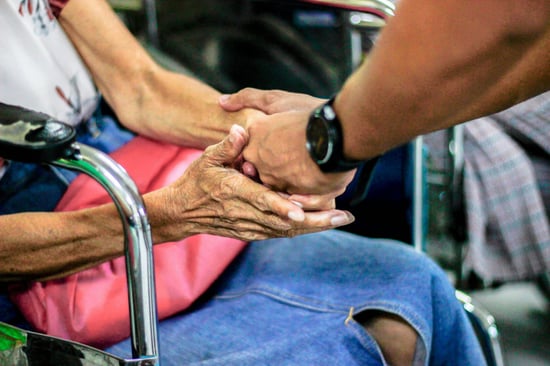
最後になりますが、「合成データ」や、患者さんの体を仮想的に再現する「デジタルツイン」技術も近年ますます注目されています。デジタルツイン技術は、医師が事前に異なる治療オプションをシミュレーションし評価することを可能にし、より安全で一人ひとりに最適な意思決定をサポートすることで、個別化医療において重要な役割を果たす可能性があります。自分にぴったりの治療を受けられることは、患者さんが「自分のことを理解され、大切にされている」と感じることにつながり、より強固な信頼関係を築く助けとなります。[v]
また、これらの技術は病院運営の最適化にも役立ちます。例えばGEヘルスケアのデジタルツインは、患者さんの流れやスタッフの行動、リソース需要など、病院運営を仮想モデル化するシミュレーションツールです。デジタル上でテストを行うことで、人員配置などの変更がどのような影響を与えるかを評価できます。[vi] こうしたワークフローの改善は、患者さんの待ち時間を減らし、医療スタッフの負担を軽減することにつながります。
もちろん、AIの使用にはリスクと限界も伴います。特に医療分野において、患者データは極めて機密性の高いものです。したがって、データのプライバシー保護やセキュリティを確保することは何よりも重要です。それにもかかわらず、AIは、医師と患者がより持続可能で信頼に満ちた関係を築いていくための大きな可能性を秘めているのです。
Last but not least, Synthetic data and digital twin technologies have also attracted increasing attention in recent years, as they are seen as having the potential to transform research and clinical trials in the pharmaceutical industry. Moreover, digital twin technology has the potential to play a significant role in personalized medicine by enabling doctors to simulate and evaluate different treatment options in advance, supporting safer and more individualized decisions, with possible future applications extending to areas such as chronic disease management, surgical training, and mental health modeling.[v]
Personalized treatment could help patients feel more understood and cared for, which may contribute to a stronger and more trusting doctor–patient relationship. In addition, these technologies can be used to optimize hospital operations. For example, GE HealthCare’s Digital Twin is a hospital-focused simulation tool that creates a virtual model of healthcare operations, including patient flow, staff behavior, and resource demand. By modeling complex systems and testing scenarios digitally, it helps hospital leaders evaluate the impact of changes in capacity, staffing, or facility design.[vi] Such optimized workflows can reduce patient waiting times and ease the workload of medical staff.
Of course, the use of AI also comes with risks and limitations. In the medical field in particular, patient data are extremely sensitive and confidential. Ensuring data privacy, security, and proper protection is therefore of critical importance. Nevertheless, AI still holds significant potential to support the development of a more sustainable and trusting doctor–patient relationship.
参考文献 References
英語原文作成:Wenxin Huang 日本語版編集:程野耕治